
How to Lose Weight Without Counting Calories: 9 Proven Habits
Logging every bite in an app works for some people, but many find it tedious and give up within weeks. The good news is that you don’t have to count calories to lose weight. Research shows that changing what you eat and how you eat can naturally lower your intake. Here are the habits with the best evidence behind them.
Quick answer: How to lose weight without counting calories: eat mostly whole, minimally processed foods, fill half your plate with vegetables, include protein at each meal, cut sugary drinks and refined carbs, eat slowly and sleep well. In a Stanford study, 609 adults lost an average of 13 pounds in a year by focusing on food quality rather than calories, as Stanford Medicine reported.
Can You Really Lose Weight Without Counting Calories?
Yes. You still need to eat fewer calories than you burn, but you don’t have to track them. Two well-known studies show why food quality matters:
| Study | What people did | Result |
|---|---|---|
| Stanford DIETFITS trial, 2018 | 609 adults ate either healthy low-fat or healthy low-carb diets focused on whole foods and vegetables, with less sugar and refined flour | Both groups lost about 13 pounds on average over 12 months |
| NIH ultra-processed food study, 2019 | 20 adults ate ultra-processed or minimally processed meals for two weeks each, as much as they wanted | They ate about 500 more calories a day on ultra-processed food and gained about 2 pounds; they lost about 2 pounds on unprocessed food |
The NIH’s lead researcher, Kevin Hall, said it was the first study to show that ultra-processed foods cause people to eat too many calories and gain weight, according to the National Institutes of Health.
How to Lose Weight Without Counting Calories: 9 Habits
1. Choose Whole, Minimally Processed Foods
Build meals around vegetables, fruit, beans, whole grains, eggs, fish, chicken, nuts and plain dairy. People in the NIH study ate faster and more on ultra-processed foods.
2. Fill Half Your Plate With Vegetables
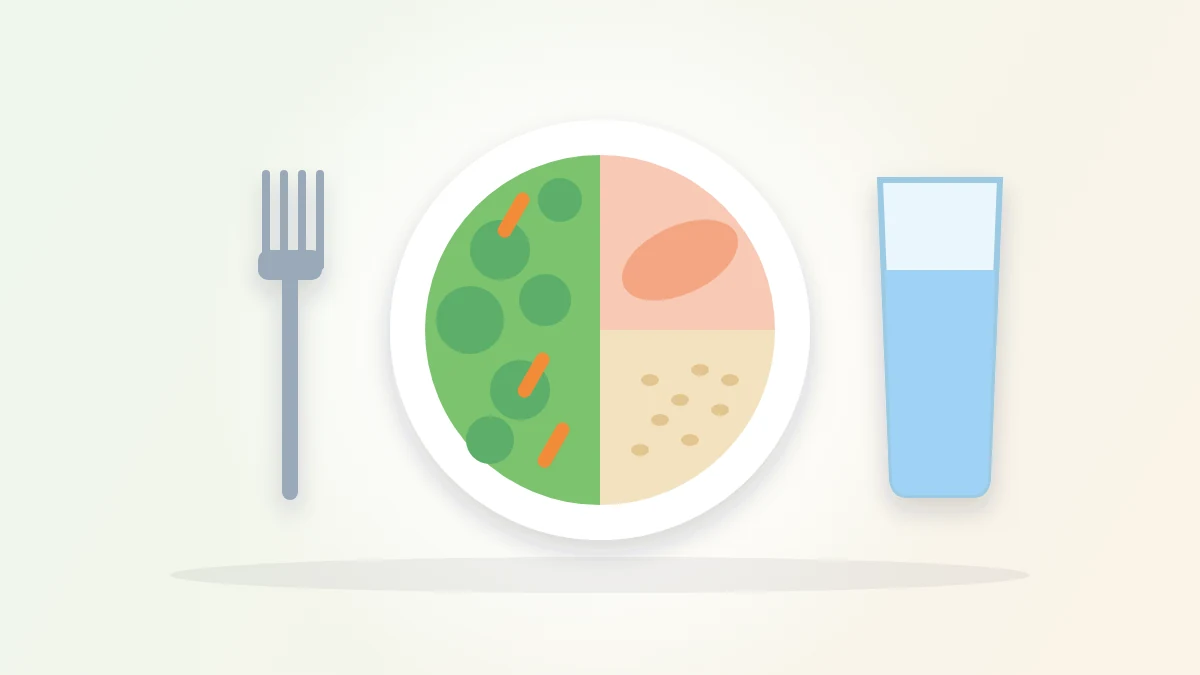
Vegetables add volume and fiber for very few calories, so you feel full on less. A simple plate method: half vegetables, a quarter protein and a quarter whole grains or starchy foods.
3. Eat Protein at Every Meal
Protein is filling and helps you keep muscle while you lose fat. Try eggs or Greek yogurt at breakfast and beans, fish or chicken at lunch and dinner.
4. Cut Sugary Drinks
Soda, sweet coffee drinks and juice add calories without making you feel full. Switching to water or unsweetened drinks is one of the easiest changes.
5. Limit Refined Carbs and Added Sugar
DIETFITS participants were coached to cut back on sugar and refined flour, whichever diet they followed. Swap white bread and pastries for whole-grain options.
6. Use Smaller Plates and Pre-Portion Snacks
Serving from the kitchen instead of the table and portioning snacks into small containers helps you eat less without thinking about numbers. Our healthy snack ideas for work can help.
7. Eat Slowly and Without Screens
Slowing down gives your brain time to register fullness. Put your fork down between bites and stop when you’re comfortably satisfied, not stuffed.
8. Move More Every Day
Walking and everyday movement burn calories without a stopwatch. See how many steps a day help with weight loss.
9. Sleep 7 to 9 Hours
Short sleep affects hunger hormones and makes high-calorie foods more tempting. Stress and poor sleep can also contribute to a hormonal belly.
Why This Approach Works Long Term
Stanford’s lead researcher, Christopher Gardner, noted that the same diet can work great for one person and not at all for another. Focusing on habits you can keep, rather than strict numbers, makes it easier to stick with changes for months and years, which is what matters most for keeping weight off.
When Counting Calories Might Still Help
If your weight loss stalls for several weeks, a short period of tracking can show hidden calories, such as oils, dressings, drinks or large portions. Some people also need structured plans for medical reasons. A registered dietitian can help you choose the right approach.
Frequently Asked Questions
Can you lose weight without counting calories?
Yes. Eating mostly whole foods, filling up on vegetables and protein, cutting sugary drinks and eating slowly can lower your calorie intake without tracking.
How much weight can you lose without counting calories?
It varies. In Stanford’s DIETFITS study, adults who focused on food quality instead of calories lost about 13 pounds on average over a year, with wide individual differences.
What foods help you lose weight without counting calories?
Vegetables, fruit, beans, lean proteins, eggs, plain yogurt, whole grains and nuts in sensible portions. They’re filling and less processed.
Why do ultra-processed foods make you eat more?
In an NIH study, people ate faster and consumed about 500 more calories a day on an ultra-processed diet than on a minimally processed one.
Is portion control better than counting calories?
For many people, yes, because it’s easier to keep up. Using smaller plates, pre-portioning snacks and the half-plate vegetable rule all work without tracking numbers.
The Bottom Line
You can lose weight without counting calories by focusing on food quality and habits: eat mostly whole foods, fill half your plate with vegetables, include protein, cut sugary drinks and refined carbs, eat slowly, move more and sleep well. Studies from Stanford and the NIH show these changes naturally lower how much you eat.
Sources
- Low-fat or low-carb? It’s a draw, study finds, Stanford Medicine
- NIH study finds heavily processed foods cause overeating and weight gain, National Institutes of Health
Sources accessed October 7, 2026. This article is general information and isn’t a substitute for advice from your doctor or a registered dietitian.