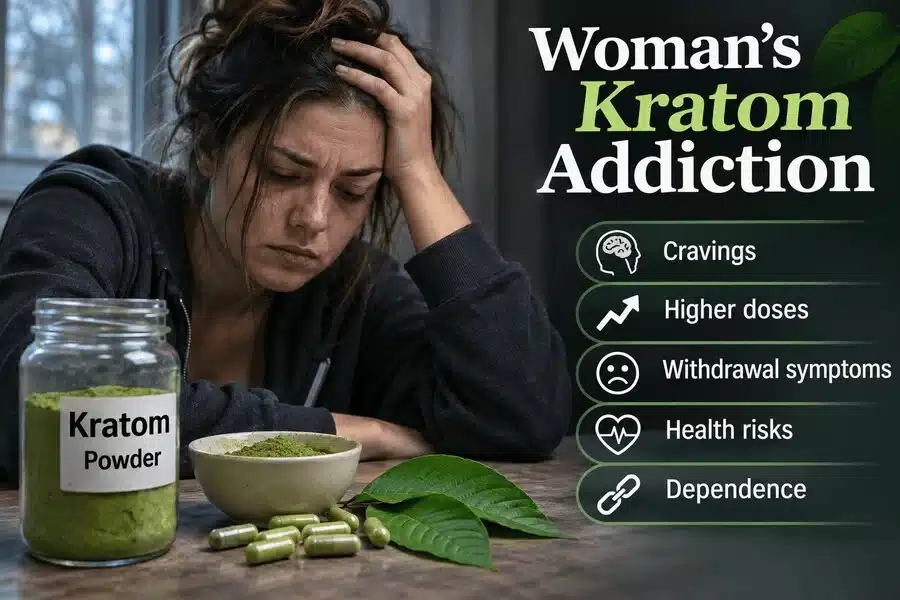
Woman’s Kratom Addiction: Hidden Dangers, Warning Signs, and the Road to Recovery
Kratom is often marketed as a natural way to relieve pain, reduce stress, and boost energy. But behind its herbal reputation lies a serious concern: the risk of dependence and addiction. For some women, what begins as occasional kratom use can gradually develop into a difficult habit that affects their physical health, emotional well-being, and everyday life.
Woman’s kratom addiction is an important health topic that highlights how a plant-based substance can lead to unexpected consequences. Understanding the warning signs, health risks, and treatment options can help people recognize the problem before it becomes more serious.
What Is Kratom and Why Do Women Use It?
Kratom comes from the leaves of the Mitragyna speciosa tree, which grows naturally in Southeast Asia. Its active compounds interact with opioid receptors in the brain, producing effects that may include increased alertness, relaxation, and pain relief.
Some women use kratom to manage chronic pain, fatigue, anxiety, or stress. Others may try it to ease opioid withdrawal symptoms.
However, kratom is not an approved treatment for these conditions, and its safety and effectiveness remain uncertain.
How Does Kratom Addiction Develop?
Kratom addiction can develop when repeated use leads to dependence and compulsive consumption.
Over time, a person may need larger amounts to experience the same effects. When they attempt to reduce or stop using kratom, uncomfortable withdrawal symptoms may appear.
These symptoms can make quitting difficult, creating a cycle of continued use despite harmful consequences.
Warning Signs of Kratom Addiction in Women
Recognizing the early symptoms is essential for preventing further complications.
Common warning signs include:
-
Strong cravings and difficulty controlling kratom consumption.
-
Increasing the dosage to achieve the desired effects.
-
Anxiety, irritability, or restlessness when not using kratom.
-
Sleep disturbances and physical discomfort during withdrawal.
-
Neglecting personal responsibilities or relationships.
-
Continuing kratom use despite negative health consequences.
Not everyone who uses kratom develops an addiction, but these symptoms may indicate a growing problem.
Health Risks and Side Effects of Kratom
Kratom can affect both physical and mental health. Common side effects include nausea, constipation, dizziness, and drowsiness.
More serious complications, including seizures and liver damage, have also been reported. Combining kratom with alcohol or other drugs may increase the risk of dangerous reactions.
Pregnant women face additional concerns because kratom exposure during pregnancy has been associated with withdrawal symptoms in newborns.
Can Women Recover From Kratom Addiction?
Recovery is possible with appropriate medical guidance and emotional support.
Healthcare professionals can assess dependence, manage withdrawal symptoms, and recommend suitable treatment options.
Behavioral therapy, counseling, and support groups may help individuals address cravings and develop healthier coping strategies.
Women experiencing dependence should consult a healthcare professional before attempting to manage significant withdrawal symptoms alone.
Final Thoughts
Woman’s kratom addiction highlights an important reality: natural substances are not automatically safe.
Although kratom may appear harmless initially, repeated use can lead to dependence, withdrawal, and potentially serious health complications.
Recognizing warning signs early, seeking professional assistance, and understanding the risks can make a meaningful difference.
Awareness, timely treatment, and ongoing support are essential steps toward recovery and long-term well-being.
