
COVID Symptoms in 2026: What to Know
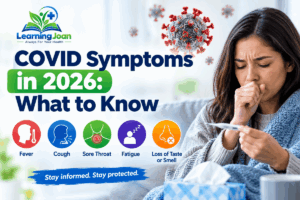
As of September 19, 2026, COVID-19 activity is elevated and increasing across the United States, although overall hospitalizations remain low. The latest CDC respiratory illness update, published September 18, says the amount of acute respiratory illness causing people to seek health care remains very low nationally.
That makes knowing the current COVID symptoms still important. Symptoms can overlap heavily with the flu, common cold and other respiratory infections, so symptoms alone cannot reliably tell you which virus is responsible.
What Are the COVID Symptoms in 2026?
COVID symptoms can range from mild illness to severe disease. According to the CDC, possible symptoms include:
- Fever or chills
- Cough
- Sore throat
- Runny nose or congestion
- Fatigue
- Headache
- Muscle or body aches
- Shortness of breath or difficulty breathing
- Nausea or vomiting
- Diarrhea
- New loss of taste or smell
Symptoms may appear 2 to 14 days after exposure, and the pattern can vary between people. The CDC also notes that symptoms can change with new variants and may differ depending on vaccination status.
COVID Symptoms Today: What Is Different?
The important point for readers searching for COVID symptoms today is that there is no single symptom that reliably identifies COVID-19.
A sore throat, cough, congestion, fatigue or headache can occur with several respiratory illnesses. CDC data from September 18, 2026, show that COVID-19 activity is increasing nationally, while seasonal flu and RSV activity remain low. Rhinovirus and enterovirus activity is also increasing.
Testing is therefore more useful than trying to identify COVID based only on symptoms.
When Should You Get Tested?
If you develop symptoms and think you may have COVID-19, a viral test can help determine what to do next. CDC guidance recognizes both antigen tests and molecular tests, including PCR-based tests, for detecting SARS-CoV-2.
Testing can be particularly important for people at higher risk of severe illness because COVID-19 treatment works best when started promptly.
Who Is at Higher Risk?
COVID-19 can affect anyone, but the risk of severe disease increases with certain factors. CDC clinical guidance identifies increasing age, particularly age 65 and older, as an important risk factor. Other medical or immune-related conditions can also increase risk.
People at higher risk who develop COVID symptoms should contact a healthcare professional promptly to discuss testing and treatment.
What Treatments Are Available?
Most people with mild COVID-19 can recover at home with supportive care. Over-the-counter medicines such as acetaminophen or ibuprofen may help relieve symptoms for appropriate patients.
For people at higher risk of severe COVID-19, antiviral treatment may reduce the risk of hospitalization and death. CDC says treatment should begin as soon as possible and within 5 to 7 days after symptoms begin, depending on the medication.
Do not wait until symptoms become severe to ask about treatment if you are in a higher-risk group.
When Should You Seek Emergency Care?
Seek emergency medical attention for warning signs such as:
- Trouble breathing
- Persistent chest pain or pressure
- New confusion
- Inability to wake up or remain awake
- Pale, gray or blue-colored skin, lips or nail beds, depending on skin tone
The CDC advises calling 911 or contacting an emergency facility when these warning signs occur.
What About the Broccoli Sprouts Recall 2026?
The Broccoli Sprouts Recall 2026: What Consumers Need to Know is a separate food-safety story and is not a COVID-19 outbreak. In September 2026, FDA and CDC investigated a multistate Salmonella Bovismorbificans outbreak associated with recalled broccoli sprouts produced by Evergreen Fresh Sprouts, LLC. As of the September 9 update, 22 illnesses, two hospitalizations and no deaths had been reported across four states.
The distinction matters because Salmonella can also cause symptoms such as diarrhea, fever, abdominal cramps, nausea and vomiting. Consumers should not confuse those foodborne illness symptoms with COVID symptoms, particularly when there has been a known exposure.
What We Know So Far
- COVID-19 activity was elevated and increasing nationally as of September 18, 2026.
- Overall acute respiratory illness activity remained very low.
- COVID symptoms can include respiratory, gastrointestinal and general flu-like symptoms.
- Symptoms alone cannot reliably distinguish COVID from flu or other respiratory illnesses.
- Testing can help identify SARS-CoV-2 infection.
- Higher-risk patients may benefit from prompt antiviral treatment.
What Remains Unknown
Symptoms can vary as SARS-CoV-2 continues to evolve. There is no single symptom profile that applies to every infection, and current national activity does not predict exactly what will happen in every state or community.
CDC continues to update respiratory illness surveillance as new information becomes available.
Bottom Line
COVID-19 remains active in the United States in September 2026, even though overall respiratory illness activity and COVID hospitalizations remain low. If you develop COVID symptoms, testing can help clarify whether SARS-CoV-2 is responsible. People at higher risk should seek medical advice promptly because effective treatments have a limited treatment window.
Frequently Asked Questions
What are the most common COVID symptoms?
Common symptoms include cough, sore throat, congestion, fatigue, headache, fever, muscle aches and other flu-like symptoms. Some people also develop gastrointestinal symptoms or loss of taste or smell.
Can COVID symptoms look like a cold?
Yes. COVID, influenza and common respiratory infections can share symptoms such as cough, congestion, sore throat and fatigue. Testing may be needed to distinguish them.
How long after exposure can COVID symptoms start?
CDC says symptoms may appear 2 to 14 days after exposure.
When should I contact a doctor?
Contact a healthcare professional promptly if you have COVID symptoms and are at higher risk for severe illness, because treatment may need to begin within a limited time window.
What COVID symptoms require emergency care?
Trouble breathing, persistent chest pain or pressure, new confusion, inability to wake or stay awake, and certain changes in skin, lips or nail-bed color are emergency warning signs.
Are COVID symptoms the same in everyone?
No. Symptoms and severity vary, and symptom patterns can change over time.