Loeys-Dietz Syndrome: How One Mother’s Near-Fatal Aortic Tear Led to Life-Saving Surgery for Three of Her Children
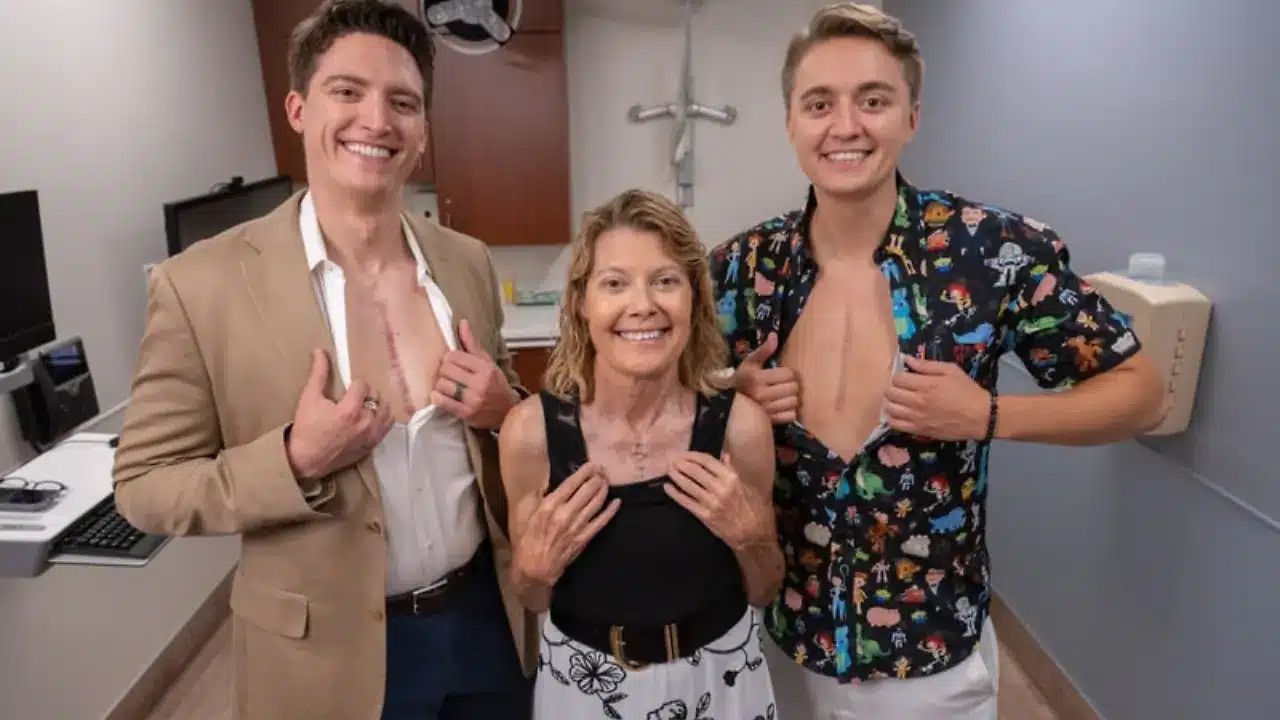
In July 2025, Dr. Annette Wagner, a 66-year-old pediatric dermatologist, felt sudden chest pain at work. Within hours she was in emergency surgery for a tear running the length of her aorta, the body’s largest artery. She survived life support and a coma. What doctors learned next changed her whole family’s future: genetic testing revealed Loeys-Dietz Syndrome, an inherited disorder, and three of her adult children carried the same mutation. All three chose preventive open-heart surgery. Their story is a powerful reminder of why family medical history matters.
What Is Loeys-Dietz Syndrome?
Loeys-Dietz Syndrome (LDS) is a rare genetic disorder that affects connective tissue, the material that gives strength and flexibility to blood vessels, skin, joints and other organs. It was first described in 2005 by doctors Bart Loeys and Harry Dietz.
LDS is caused by changes in genes involved in a cell-signaling pathway known as TGF-beta, including TGFBR1, TGFBR2, SMAD3, TGFB2 and TGFB3, according to the National Library of Medicine. It is usually inherited in an autosomal dominant pattern, meaning a child of an affected parent has a 50% chance of inheriting the variant.
The biggest danger is to the aorta and other arteries, which can weaken, widen and tear. People with LDS may develop aneurysms at smaller sizes and younger ages than in other conditions.
What are the symptoms of Loeys-Dietz Syndrome?
Signs vary widely, even within families. They may include:
- Enlargement (aneurysm) of the aorta or other arteries.
- Twisted or tortuous arteries.
- Widely spaced eyes, a split or broad uvula, or cleft palate.
- Chest or spine differences, such as scoliosis or a sunken or protruding chest.
- Loose joints, club foot or early arthritis.
- Thin, translucent skin that bruises easily.
Some people have few outward signs, which is one reason LDS can go undiagnosed until a serious event.
What Happened to Dr. Annette Wagner?
According to ABC7 Chicago, Wagner developed sudden chest pain at work in July 2025 and was rushed to emergency care. Doctors found an aortic dissection, a tear in the inner layer of the aorta, extending along its full length.
She underwent emergency surgery, was placed on life support and spent time in a coma. She was later transferred to Northwestern Medicine, where specialists performed additional surgeries. She has since recovered and returned to an active life.
How Did Family History and Genetic Testing Help?
Wagner’s family history held an important clue: her brother had suffered an aortic dissection at age 38. With her help, doctors gathered family medical information and identified a gene variant linked to Loeys-Dietz Syndrome.
Genetic testing of her six children showed that three of them, Charles (“Charlie”), Gavin and Kirstin, carried the same variant.
Why Did Three of Her Children Have Preventive Heart Surgery?
Imaging showed the three siblings had aortic aneurysms. Because LDS-related aneurysms can tear without warning, they chose to have open-heart surgery to repair them before an emergency could occur. Gavin Wagner explained his choice simply: “There’s no reason to wait.”
Within six months, all four family members had undergone open-heart surgery to repair aortic aneurysms. All are now living active lives, ABC7 reported.
What Role Did Northwestern Medicine Play?
The family was treated at Northwestern Medicine’s Bluhm Cardiovascular Institute in Chicago. Cardiac surgeon Dr. Christopher Mehta described the family’s undiagnosed risk as “ticking time bombs.” Specialists there handled Wagner’s follow-up surgeries and her children’s preventive procedures. Specific surgical details for each patient have not been published.
What Are Aortic Aneurysms and Aortic Dissection?
An aortic aneurysm is a bulge or widening of the aorta. It often causes no symptoms until it becomes large or tears.
An aortic dissection happens when a tear in the aorta’s inner layer lets blood flow between the layers of the wall. It is a medical emergency that can be fatal without prompt treatment.
What are the warning signs of aortic dissection?
According to the American Heart Association, symptoms can include:
- Sudden, severe chest or upper back pain, often described as tearing or ripping.
- Pain spreading to the neck, jaw or abdomen.
- Shortness of breath or fainting.
- Weakness or stroke-like symptoms.
Anyone with these symptoms should call 911 immediately.
Who is at risk?
Risk factors include high blood pressure, smoking, older age, and inherited connective tissue disorders such as Loeys-Dietz Syndrome, Marfan syndrome and vascular Ehlers-Danlos syndrome. A family history of aneurysm or dissection, especially at a young age, is a key warning sign.
How are they treated?
Treatment depends on the size and location of the aneurysm and the underlying cause. Options include regular imaging to monitor size, blood pressure control with medication, and surgery to replace the weakened section of the aorta, either by open surgery or, in some cases, a stent graft. People with LDS are often advised to have surgery at smaller aneurysm sizes because of their higher risk. Learn more in our heart health section.
Why Early Diagnosis and Family History Matter
For families with inherited aortic disease, early diagnosis can be lifesaving. Experts recommend:
- Genetic counseling and testing when a relative has had an aortic aneurysm or dissection, especially at a young age.
- Regular imaging, such as echocardiograms, CT or MRI scans, for those at risk.
- Blood pressure management and avoiding activities a doctor advises against.
- Sharing results with relatives, since a diagnosis in one person may mean others are at risk.
Talking About Health at Family Gatherings
Holidays such as Thanksgiving bring families together, making them a natural time to talk about health history. The US Surgeon General has long encouraged families to discuss inherited conditions. Asking simple questions, such as whether anyone has had heart problems, aneurysms or sudden deaths at a young age, can help relatives spot patterns and share them with their doctors.
The Wagner family’s experience shows how one diagnosis can protect others. This article is for information only and is not medical advice. If you have concerns about your family history, talk with your doctor.
Frequently Asked Questions
What is Loeys-Dietz Syndrome?
A rare inherited disorder of connective tissue that can weaken the aorta and other arteries, raising the risk of aneurysms and tears.
Is Loeys-Dietz Syndrome inherited?
Usually, yes. A parent with LDS has a 50% chance of passing it to each child, though some cases arise from new gene changes.
What happened to Dr. Annette Wagner?
She suffered an aortic dissection in July 2025, needed emergency surgery and life support, spent time in a coma and has since recovered.
Why did her children have heart surgery?
Genetic testing showed three carried the LDS variant, and they had aortic aneurysms, so they chose preventive surgery before a tear could occur.
Who should consider genetic testing for heart disease?
People with a family history of aortic aneurysm, dissection or sudden cardiac death at a young age should ask their doctor about genetic counseling.
Conclusion
Annette Wagner’s survival and her children’s preventive surgeries show how genetic testing and family history can turn a hidden risk into a manageable one. For families affected by Loeys-Dietz Syndrome, early diagnosis and regular monitoring can make all the difference.
Find more evidence-based health guides on Learning Joan.
