
How to Relieve Tooth Pain From Sinus Pressure: 8 Remedies
A cold turns into stuffy sinuses, and suddenly your upper back teeth ache too. It’s easy to assume you have a cavity, but sinus pressure is a common cause of tooth pain. The good news is that this kind of toothache usually eases once your sinuses clear. Here’s how to tell the difference and how to get relief.
Quick answer: How to relieve tooth pain from sinus pressure: rinse your nose with saline made from distilled or sterile water, use steam and warm compresses, drink plenty of fluids, sleep with your head raised and consider over-the-counter decongestants or antihistamines. UCLA Health doctors note that sinus tooth pain usually affects several upper teeth at once and gets worse when you bend over.
Why Sinus Pressure Causes Tooth Pain
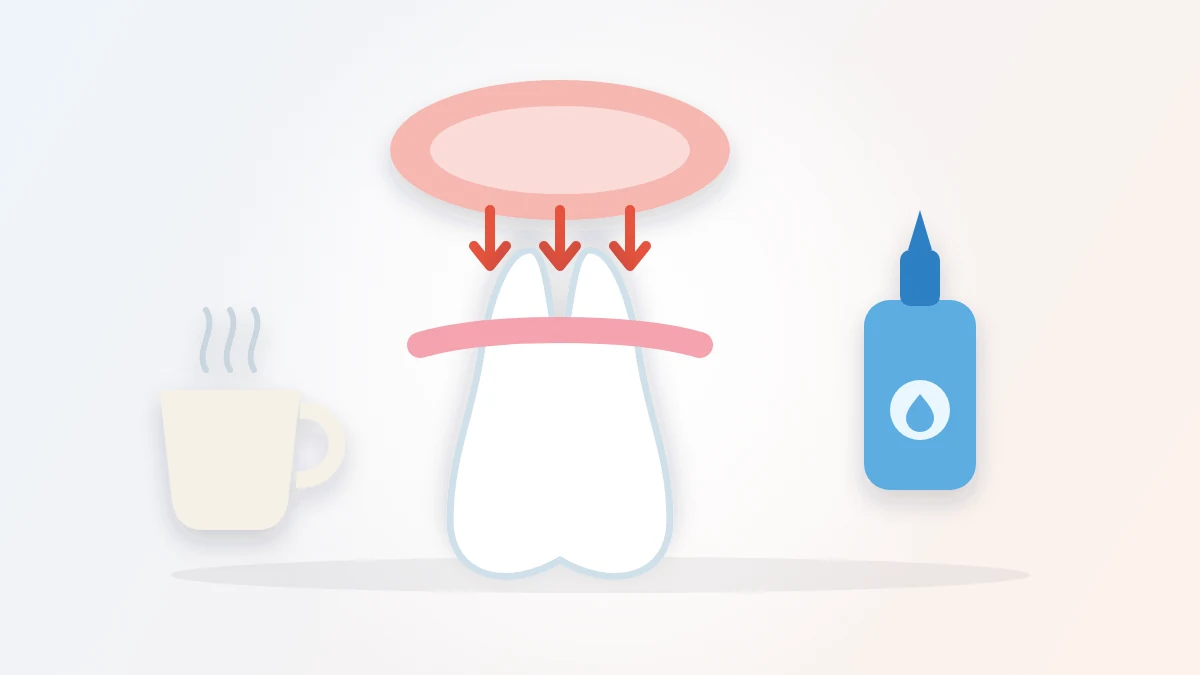
Your maxillary sinuses sit in your cheekbones, just above the roots of your upper back teeth. When these sinuses swell and fill with mucus during a cold, allergies or sinusitis, the pressure can irritate the tooth roots. According to UCLA Health, this causes a dull ache that can feel just like a toothache. Mayo Clinic lists aching in the teeth as a symptom of acute sinusitis.
Sinus Toothache or Dental Problem?
| Clue | More likely sinus pressure | More likely a dental problem |
|---|---|---|
| Which teeth hurt | Several upper back teeth | One specific tooth, upper or lower |
| Other symptoms | Stuffy nose, facial pressure, thick mucus | No cold or congestion |
| Movement | Worse when bending over, walking or moving your head | Doesn’t change much with position |
| Triggers | Comes with a cold or allergy flare | Hot, cold or sweet foods, or biting down |
| Dental X-ray | Normal | May show decay, a crack or infection |
How to Relieve Tooth Pain From Sinus Pressure: 8 Remedies
- Saline nasal rinse: loosens mucus and clears your sinuses. The FDA says to use distilled or sterile water, tap water boiled for 3 to 5 minutes and cooled, or water run through a filter designed to trap infectious organisms. Never use plain tap water.
- Steam: breathe in steam from a warm shower or a bowl of hot water to open nasal passages.
- Warm compress: hold a warm, damp cloth over your cheeks for a few minutes.
- Stay hydrated: fluids thin mucus so it drains more easily.
- Sleep with your head raised: an extra pillow helps your sinuses drain overnight.
- Decongestants: over-the-counter options can reduce swelling. Check with a pharmacist first if you have high blood pressure, heart disease or take other medicines.
- Antihistamines: helpful if allergies are behind your sinus pressure.
- Pain relievers: acetaminophen or ibuprofen can ease the ache; follow the label directions.
When to See a Dentist or Doctor
UCLA Health advises seeing a dentist first to rule out a dental cause. If your X-rays are normal and you’re congested, see your primary care provider. According to Mayo Clinic, contact a doctor if:
- Sinus symptoms last more than a week
- You get better and then worse again
- You have a fever that doesn’t go away
- You get sinusitis again and again
Get care right away for pain, swelling or redness around the eyes, a high fever, confusion, double vision or a stiff neck.
Also see a dentist if the pain is in one tooth, you see swelling in your gums, a tooth feels loose or the pain continues after your sinuses clear. Learn more about what causes a loose tooth.
Frequently Asked Questions
How long does sinus tooth pain last?
It usually lasts as long as your sinus congestion. Mayo Clinic says most acute sinusitis improves within 7 to 10 days. If tooth pain continues after your sinuses clear, see a dentist.
Can sinus pressure make your teeth feel loose?
Sinus pressure can make upper teeth feel sore or sensitive, but it shouldn’t make them truly loose. A loose tooth needs a dentist’s exam.
Which teeth hurt with sinus pressure?
Usually the upper back teeth, the molars and premolars, because their roots sit just below the maxillary sinuses.
Does a sinus toothache get worse when lying down?
It can change with position. Many people notice it’s worse when bending over or moving their head, and sleeping with the head raised can help.
Should I see a dentist or a doctor for sinus tooth pain?
Start with a dentist to rule out a cavity, crack or infection. If your teeth look healthy and you’re congested, see your doctor about the sinuses.
The Bottom Line
To relieve tooth pain from sinus pressure, clear your sinuses with saline rinses using safe water, steam, warm compresses and fluids, sleep with your head raised and consider decongestants or antihistamines if they’re safe for you. Pain in several upper teeth that worsens when you bend over points to your sinuses. See a dentist if the pain stays in one tooth or lasts after your congestion clears.
Sources
- Sinus infections can be disguised as toothaches, UCLA Health
- Acute sinusitis: Symptoms and causes, Mayo Clinic
- Is Rinsing Your Sinuses With Neti Pots Safe?, U.S. Food and Drug Administration
Sources accessed October 7, 2026. This article is general information and isn’t a substitute for advice from your dentist or doctor.